Tesamorelin 10mg — Overview
Tesamorelin is a synthetic analogue of growth hormone–releasing hormone (GHRH), the natural neuropeptide made in the hypothalamus that tells the anterior pituitary to release growth hormone. It differs from full-length recombinant GHRH because of a trans-3-hexenoic acid modification at its N-terminus. This small structural tweak is vital; it makes the peptide far more stable in plasma by protecting it from dipeptidyl peptidase IV (DPP-IV) cleavage. Because it isn’t broken down as quickly, tesamorelin offers an extended half-life, making it a standout choice for research focused on sustained GH axis stimulation.
Mechanism of Action
Tesamorelin binds tightly to the pituitary GHRH receptor, triggering the body’s own growth hormone to release in natural pulses. It’s designed to keep that natural, pulsatile rhythm instead of causing the constant, unnaturally high levels you’d see with exogenous GH. That is a key distinction for research, as these pulsatile patterns influence IGF-1 production, lipid metabolism, and glucose homeostasis quite differently than continuous exposure does.
Its most documented metabolic effect, and the one that’s sparked the most research interest, is its ability to shrink visceral adipose tissue (VAT). This type of fat is metabolically different from the subcutaneous kind; it’s tied closely to insulin resistance, cardiovascular risks, and systemic inflammation. Because Tesamorelin targets this specific fat depot so selectively, it is a useful tool for researchers modeling the exact consequences of visceral adiposity or testing interventions designed to hit it.
Research Context
We’ve seen plenty of controlled research looking into how tesamorelin affects body composition. The most rigorous data comes from studies on HIV-associated lipodystrophy—a condition characterised by abnormal fat redistribution and excess visceral fat. Because of this clinical background, we have access to far more detailed pharmacodynamic data than you’d find with most other research peptides. It gives labs a solid evidence base to build on.
Researchers have also started looking into how tesamorelin might fit into cognitive ageing models. Since GH secretion drops off quite a bit as we get older, there is a real interest in whether GHRH analogues can help reverse age-linked GH deficiency. Specifically, scientists are investigating how this affects hippocampal function and memory consolidation. While some of the early work looks promising, we still don’t have a full grasp of the underlying mechanisms.
Comparison with Other GH-Axis Peptides
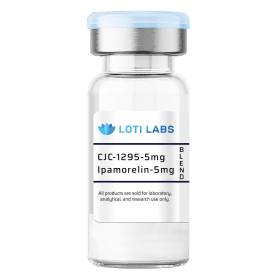
Researchers often pick tesamorelin over, or alongside, other GH-axis compounds. Secretagogue peptides like Ipamorelin 2mg or the CJC-1295 (no DAC) / Ipamorelin Blend target the ghrelin receptor (GHSR) instead of the GHRH receptor, offering a different way to stimulate GH. Activating both pathways at once can lead to synergistic GH release, which is why this strategy is frequently explored in multi-peptide research designs. Sermorelin 2mg, a shorter GHRH fragment, works on the same receptor as tesamorelin but has different kinetics, making it a common lower-dose comparator in these studies.
For researchers focused on the metabolic side of GH biology, AOD-9604 5mg provides a useful complementary model. Since it is a GH fragment that influences fat metabolism without engaging the GHRH receptor, it helps researchers distinguish between receptor-dependent and receptor-independent effects.
Format & Stability
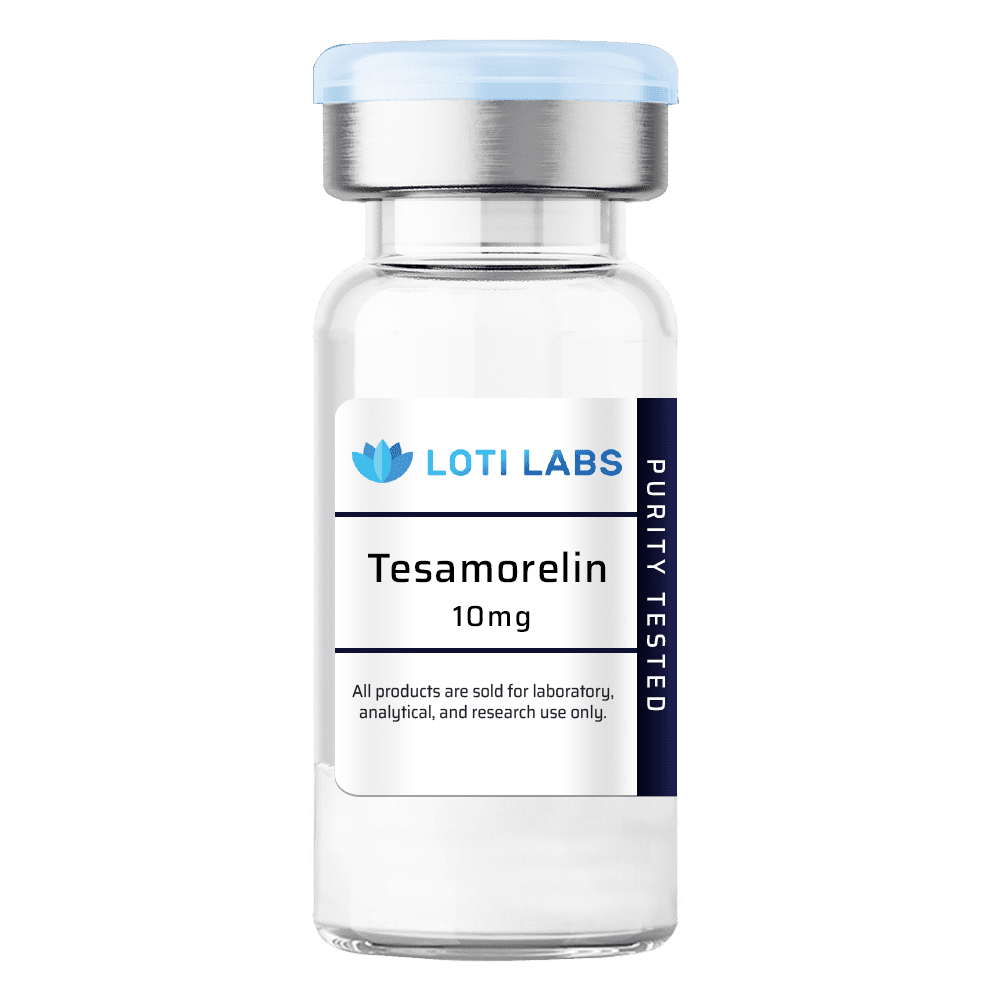
This vial contains 10mg of tesamorelin as a lyophilised powder. It is a higher unit dose than the standard 2mg format, making it ideal for long-term studies or labs running multiple concurrent experiments that require steady lot-to-lot characterisation. Lyophilised peptides remain stable for extended periods if stored correctly; once reconstituted, researchers must maintain refrigeration and ensure prompt utilisation within the study.
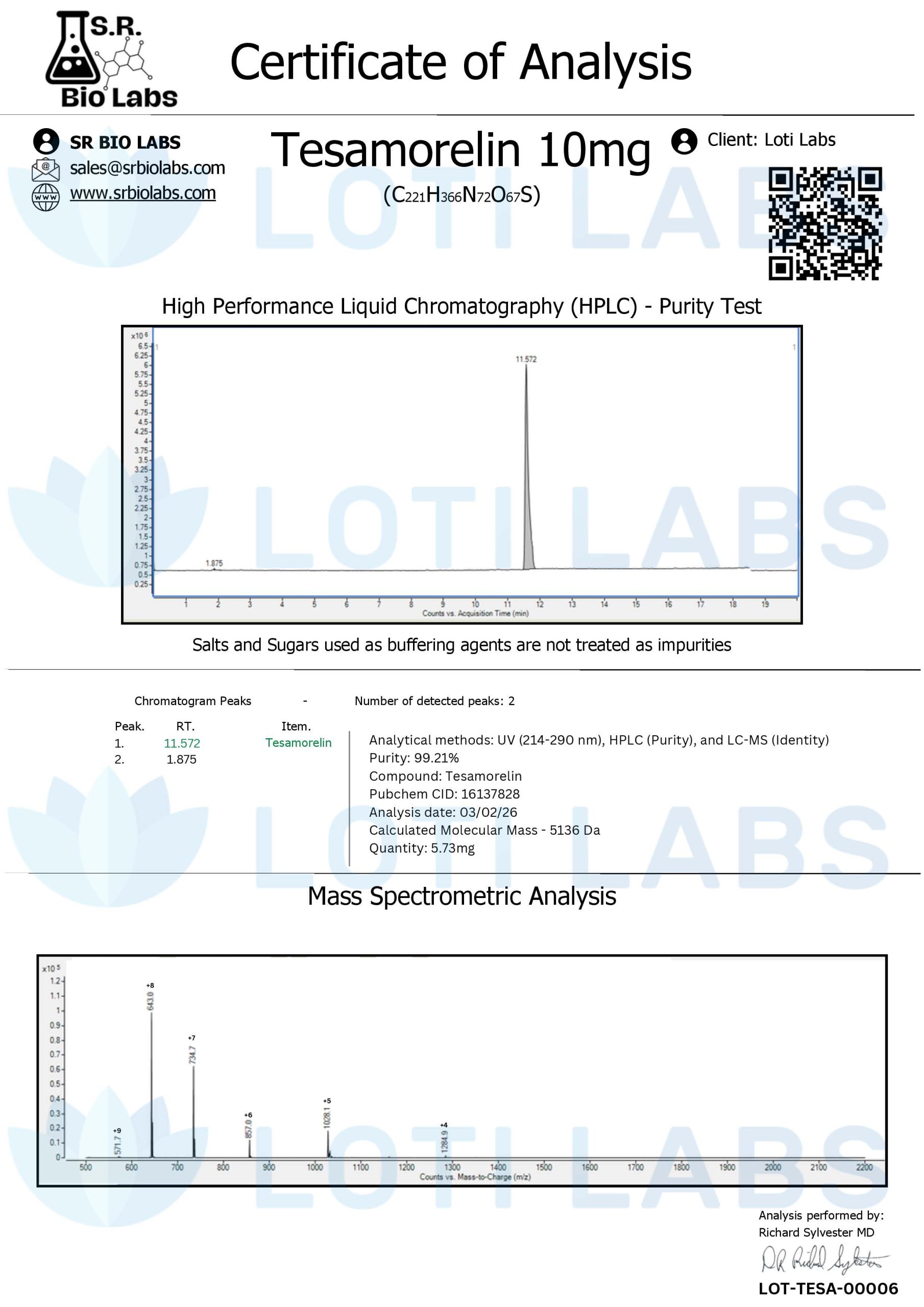
We independently verify the purity and identity of every batch. If you’re setting up formal study protocols, make sure to document the lot number and request the relevant COA for your experimental records.
Intended Use
We’ve supplied Tesamorelin 10mg for research purposes only; it’s intended exclusively for qualified researchers and laboratory professionals. It’s not intended for human administration or therapeutic use.
References
- Falutz J, et al. “Metabolic effects of a growth hormone–releasing factor in patients with HIV.” N Engl J Med. 2007;357(23):2359–2370.
- Stanley TL, et al. “Effect of tesamorelin on visceral fat and liver fat in HIV-infected patients with abdominal fat accumulation.” JAMA. 2012;312(4):380–389.
- Sigalos JT, Pastuszak AW. “The safety and efficacy of growth hormone secretagogues.” Sex Med Rev. 2018;6(1):45–53.
- Prakash A, Goa KL. “Sermorelin: A review of its use in the diagnosis and treatment of children with idiopathic growth hormone deficiency.” BioDrugs. 1999;12(2):139–157.